The NFT Revival: Top 2025 NFT Projects and Tokens Summary
Updated On 30 July 2025
Published On 14 January 2025
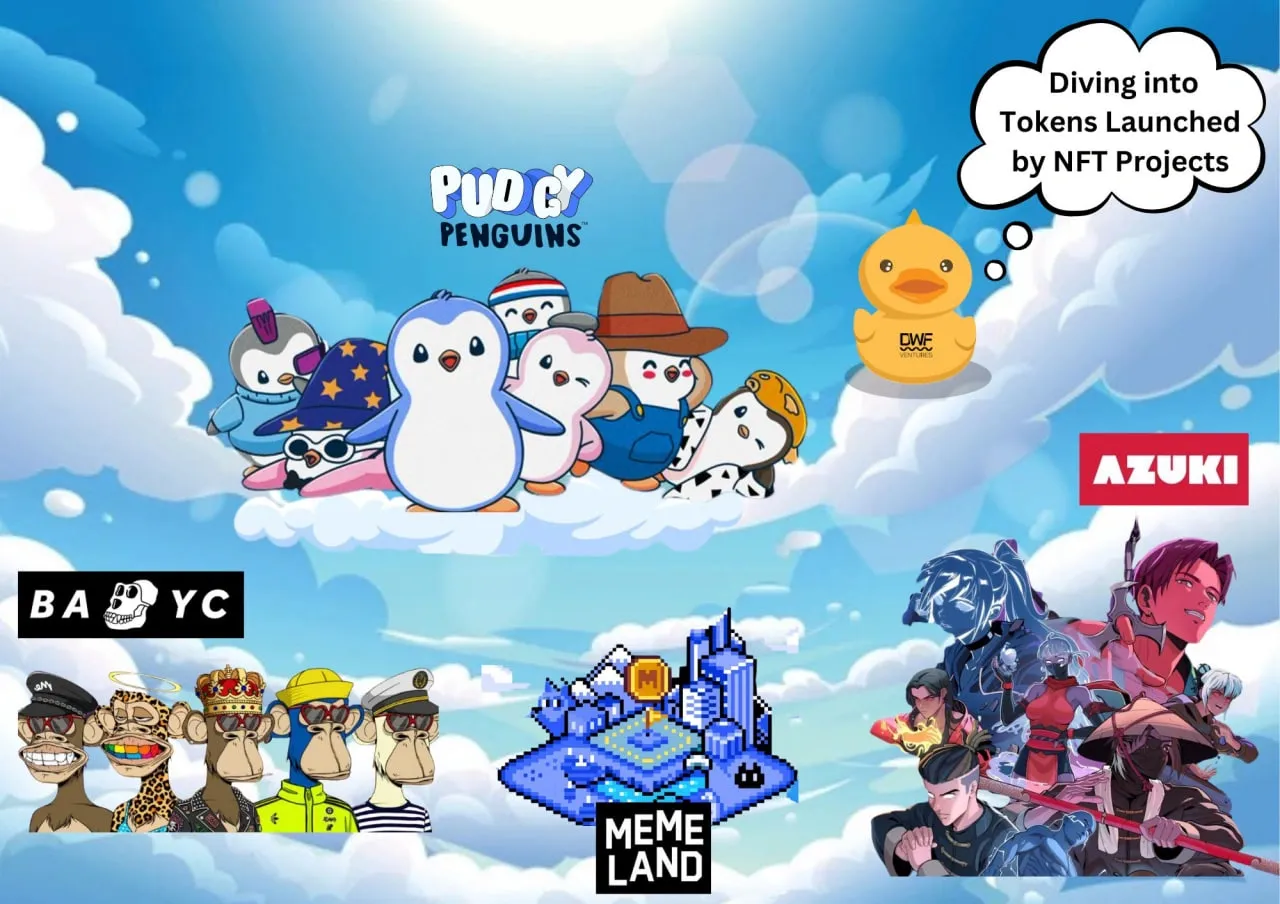
The NFT sector, which experienced a major boom during the “NFT Summer” of 2021 and peaked in early 2022, subsequently witnessed a significant contraction in activity and market sentiment over the ensuing two years. However, the sector has seen renewed interest in 2025, primarily driven by blue-chip NFT projects with established brands and intellectual properties (IPs). Though NFT projects as a whole have shifted towards longer-term approaches in growing their communities and driving interest, is this period of heightened attention truly sustainable?
In this article, DWF Ventures explored the NFT revival trend of 2025, comparing major NFT projects, their blockchains, native tokens, and utility.
Recent NFT Trends
The NFT Revival of 2025 is characterized by several distinctive trends, namely:
- Continued innovation despite the market slowdown. Although NFT trading volumes and enthusiasm waned post-2022, builders within the ecosystem remained active. Over 2024–2025, many projects introduced new tokens and even their own blockchain networks, aiming to add long-term value and real use cases to NFT holder communities, even in a cooler market climate.
- “Infra Play” as an emerging trend. A growing number of legacy NFT projects have expanded beyond digital collectibles into blockchain infrastructure. Leading projects such as Pudgy Penguins, Azuki, BAYC, and Memeland have invested in their own dedicated networks. Notably, BAYC and Memeland pursued developing proprietary blockchains after issuing their tokens—a strategic move to consolidate their ecosystems and gain more control over user experience and scalability.
- New token launches. 2024 and 2025 saw a number of successful launches of proprietary crypto assets by the blue-chip NFT projects, such as $PENGU and $ANIME, which have encouraged other NFT projects to follow in their steps. Indeed, mid-2025 saw the debut of Doodles’ $DOOD. In the future, we could see a wave of NFT projects incorporating native assets as part of their ecosystem growth strategies, incentivizing engagement and expanding their reach.
Strategic Imperative: Why Build Your Own Blockchain?
The motivations underpinning the recent developments of the most promising NFT projects in 2025 are multifaceted. These include a desire for greater sovereignty, customization, and economic control. The end goal is to create long-term value, driving utility to their communities and assets, and enhancing scalability beyond what is offered by general-purpose chains.
The development of ApeChain, in particular, was driven by the need for Ethereum-grade security, sufficient scalability, and customization specifically fit to BAYC’s requirements. This eventually led to their selection of building atop Arbitrum infrastructure stack, which allowed for utilizing the BAYC’s native token, ApeCoin, for gas fees.
On the other hand, Igloo Inc., the company behind the Pudgy Penguins NFT collection, developed the Abstract blockchain with a strong emphasis on culture and community building, while also paying attention to developers and brand support. As a result, Abstract established itself as one of the most notable blockchains in consumer crypto.
Beyond these advantages, a significant factor of the Infra Play is the ambition to capture a greater share of value. Historically, NFT projects have relied on external marketplaces and underlying blockchains, which inevitably resulted in the loss of a portion of fees and overall value generated within their ecosystems. By launching their own Layer 2 (L2) or Layer 3 (L3) networks with native tokens serving as the primary medium for gas, NFT projects can better internalize revenue streams.
Below, we break down contributions to these key trends by some of the most prominent NFT projects to date:
- Pudgy Penguins.
- Azuki.
- Bored Ape Yacht Club (BAYC).
- Memeland.
- Berachain.
- Doodles.
Pudgy Penguins ($PENGU)
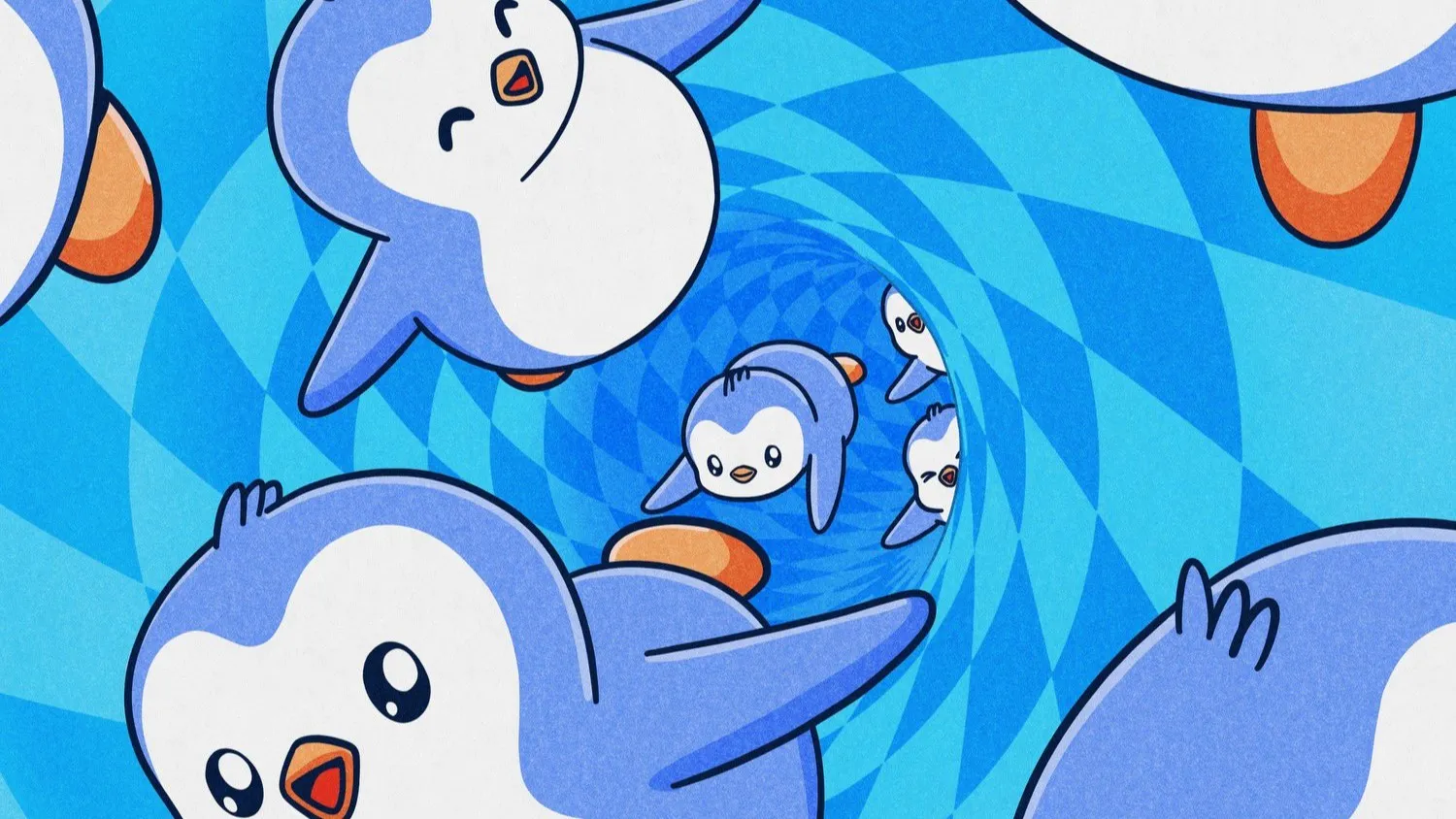
Started as a small, student-driven NFT collection on Ethereum in mid-2021, Pudgy Penguins quickly drew attention. Comprising 8,888 unique profile-picture NFTs, each featuring randomly generated traits drawn from over 150 hand-crafted components, the collection was sold within minutes, sparking high activity on the secondary market and quickly growing its community.
In April 2022, blockchain entrepreneur Luca Netz acquired the project, refocusing the brand on community governance and IP expansion. In May 2023, Pudgy Penguins raised $9 million to develop physical merchandise and entertainment franchises, signaling the final transition from a pure NFT asset to a lifestyle IP brand.
The issuance of an ecosystem token, $PENGU, along with the launch of a proprietary blockchain, Abstract, has turned Pudgy Penguins into one of the most influential projects in the NFT space as of July 2025.
Abstract Blockchain
Pudgy Penguins’ own L2 blockchain focused on consumer-facing dapps, Abstract, went live in January 2025. With the core philosophy to simplify blockchain interaction for a mass audience and make Web3 more accessible, Abstract marked the brand’s first expansion into blockchain infrastructure.
Built as a zero-knowledge proof (ZK) rollup using the ZK Stack, with EigenDA for data availability, Abstract aims to provide a scalable and user-friendly environment. Its key features include, fast transaction speeds, EVM compatibility, and dedicated tooling for builders such as the Abstract Builder Incubator.
One of Abstract’s core technical solutions is the Abstract Global Wallet (AGW). This non-custodial wallet for NFT and crypto is designed for those not familiar with Web3 tools, providing seamless logins using common methods like social accounts or email, abstracting away gas fees for end-users through meta-transactions, and enabling “session keys” for persistent in-app experiences without repeatedly signing transactions.
Pudgy Penguins Ecosystem
Outside of Abstract and the original NFT collection, the Pudgy Penguins ecosystem also includes smaller collections like Lil Pudgys and Pudgy Rods. It also features “Pudgy World,” an interactive Web3 game on zkSync Era to further connect the physical and digital aspects of the brand, especially with the launch of physical Pudgy Toys in May 2023. They are now available in hundreds of Walmart stores across the U.S., with the addition of apparel and accessories on the official website.
As of July 2025, there are about 20 dapps working on Abstract. Furthermore, Abstract has been nurturing its own NFT market: per Dune Analytics, hundreds of new NFT collections are launched on Abstract every day. The core collections, listed on Magic Eden, include OCH Genesis Hero, Pengztracted, Pixelady Maker CATA, and Gigaverse ROMs.
$PENGU Cryptocurrency
Issued in December 2024 on Solana, $PENGU has since gained significant traction, with around two-thirds (63%) of token’s total supply airdropped to community members, pushing the Pudgy Penguins NFT floor price to new all-time highs. As of late July 2025, there were over 560,000 users of $PENGU on Solana, according to the token contract data on SolScan. Additionally, 237,000 more addresses held the coin on Abstract.
$PENGU experienced an explosive rally in the second quarter of 2025, nearly tripling its lows and exceeding a $1 billion market cap. Renewed interest was likely driven by speculation around a proposed “Canary PENGU ETF” filed with Chicago Board Options Exchange (CBOE), which reportedly aims to allocate 80-95% of its assets to $PENGU.
With significant daily capital inflows and rising buzz in social media, sentiment towards Pudgy Penguins, its Abstract blockchain and $PENGU token has been extremely positive, solidifying it as one of the best NFT projects for 2025.
Azuki and Animecoin ($ANIME)
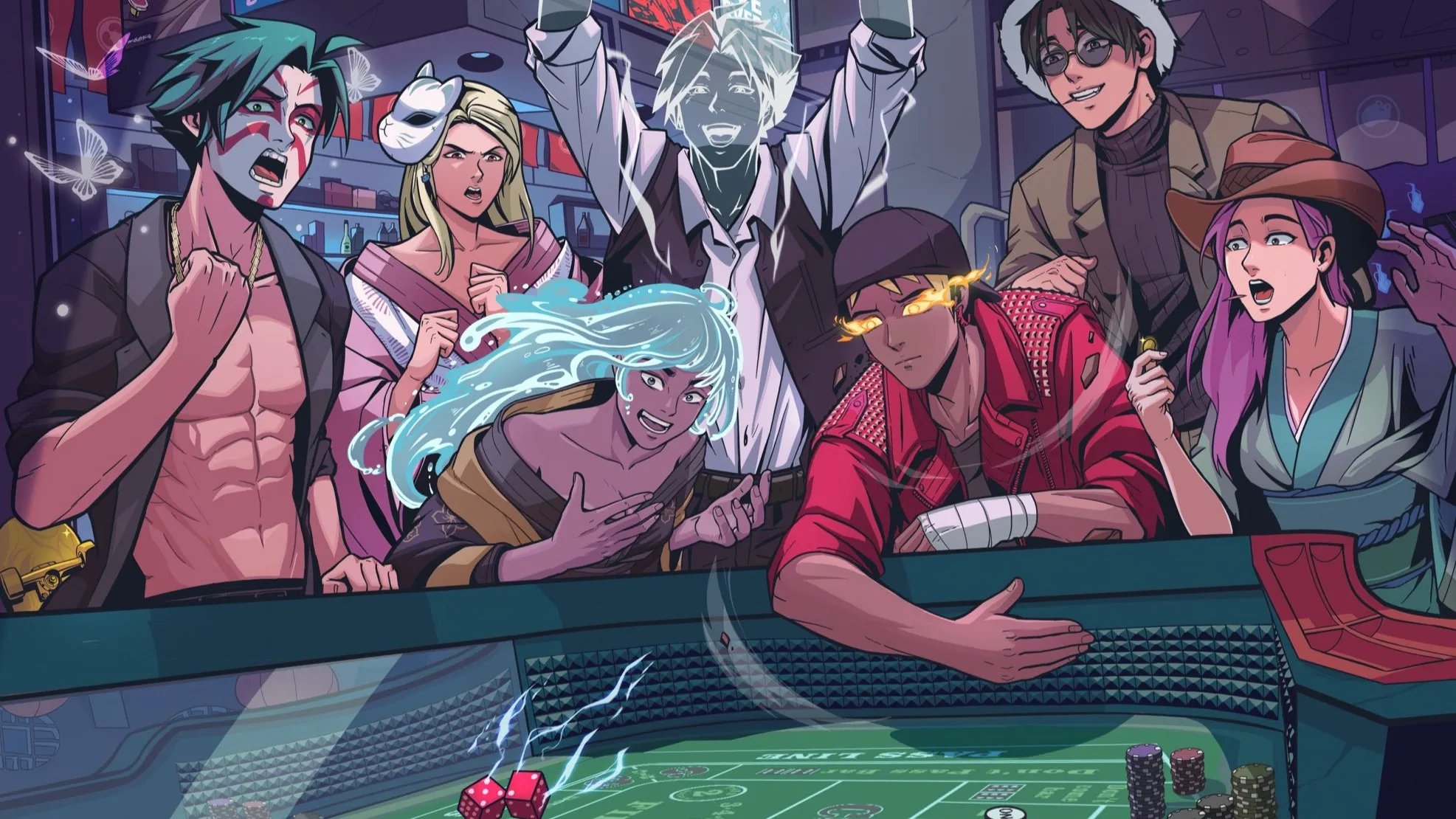
Azuki, a collection launched in early 2022 by Chiru Labs, quickly grew into one of the notable players in the NFT sector, offering distinctive anime-inspired art and community-centric ethos. In March 2024, Azuki embarked on a mission to redefine the anime industry, forging partnerships with the Arbitrum Foundation and Weeb3 Foundation to introduce AnimeChain, a blockchain ecosystem tailored for anime creators and fans. Finally, in the beginning of 2025, Azuki introduced its native token, AnimeCoin ($ANIME), which serves as the native gas token for AnimeChain.
AnimeChain Blockchain
AnimeChain is an L3 optimistic rollup built on Arbitrum Orbit, designed to be the backbone for Azuki’s anime Web3 ecosystem. The network supports gasless transactions, along with natively integrated account abstraction, enabling smoother onboarding of users not familiar with crypto.
Catering to the needs of builders, AnimeChain integrates Arbitrum Stylus, which enables the execution of smart contracts in multiple programming languages beyond Solidity, thus making development of dapps more flexible.
Azuki also plans to offer on-chain governance tools to the community working on AnimeChain with an upcoming AnimeDAO, which will empower $ANIME holders to actively participate in decision-making.
Azuki Ecosystem
Besides the core NFT collection, Azuki had also issued Azuki Elementals, which enhanced the lore and introduced new characters to the universe, and BEANZ, sidekicks to the main Azuki characters that granted holders access to exclusive merchandise, private events, and ecosystem-related perks such as airdrops and early participation in community campaigns.
The Azuki ecosystem features Anime.com, a platform positioning itself as an “IMDB” for anime shows and movies with interactive Web3 features. Within a short period of time after its launch, Anime.com has managed to onboard 3.3 million users, leading to more than 13 million NFTs being minted.
Beyond this, Azuki has expanded into traditional media: in July 2025, it launched Studio Azuki with production partners Comisma, Xenotoon, and Westbrook Inc. (co-founded by Will Smith). The studio is developing an anime anthology based on Azuki’s universe, integrating tools like NFTs and tokens into the storytelling process.
AnimeCoin ($ANIME) Cryptocurrency
According to the published tokenomics, over 50% of the $ANIME, Azuki’s native cryptocurrency supply was allocated to the community, with 37.5% airdropping to the holders of main NFT collections and 13% reserved for the future AnimeDAO. $ANIME briefly hit a $1 billion market cap shortly after the start of trading, yet then dropped and stabilized around $100 million by late July 2025, indicating steady recovery.
The development of AnimeChain, the initial success of Anime.com, and the launch of the production studio make Azuki one of the top NFT brand expansions of 2025.
Bored Ape Yacht Club (BAYC): ApeChain and ApeCoin ($APE)
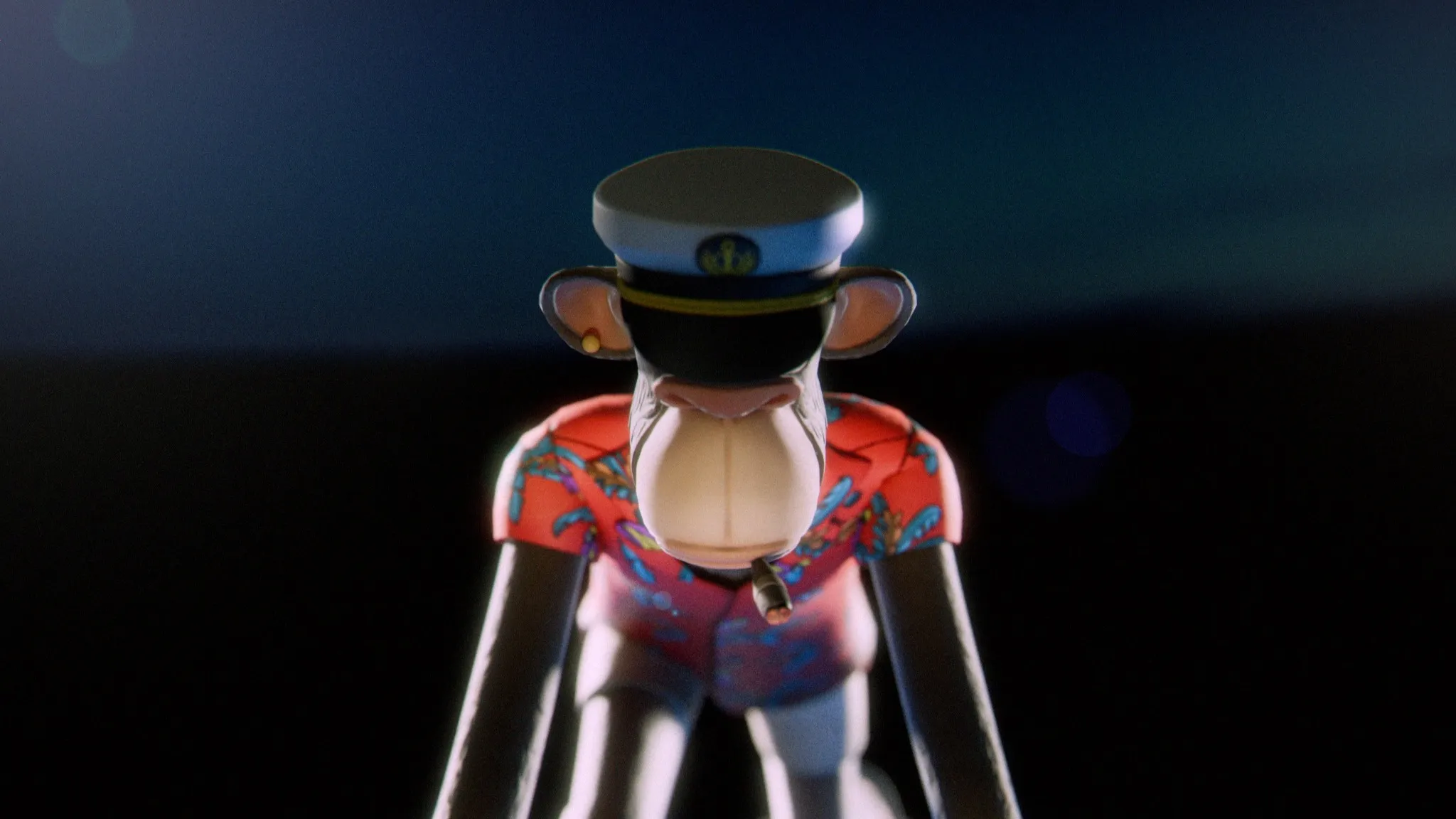
Bored Ape Yacht Club (BAYC) has evolved from a simple collection of algorithmically generated cartoon apes into one of the most expansive and influential Web3 ecosystems. Launched in April 2021 on Ethereum by Yuga Labs, BAYC quickly sold out, becoming a symbol of the digital creator economy, which attracted celebrities and mainstream media attention.
Later, Yuga Labs introduced companion collections alongside gamified experiences like Dookey Dash and the Otherside metaverse. In March 2022, Yuga Labs further cemented its dominance in the NFT space by acquiring IP rights to the major NFT collections CryptoPunks and Meebits.
The growing BAYC universe is now powered by an L3 called ApeChain, with its economy revolving around ApeCoin ($APE), the main governance and utility token.
ApeChain
Yuga Labs launched ApeChain in October 2024. Similar to AnimeChain, ApeChain is a L3 optimistic rollup built with Arbitrum Orbit, with the aim of delivering high throughput with low-cost crypto transfers.
To streamline development, ApeChain offers a suite of native tools, including smart contract templates, decentralized identity modules, and advanced APIs, enabling builders to launch dapps with minimal friction. The network also emphasizes interoperability, supporting cross-chain bridges that link assets and data in ApeChain with Ethereum and other EVM-compatible chains.
ApeChain has also integrated decentralized on-chain governance: ApeCoin holders could propose and vote on the matters of network upgrades, fund allocations, and ecosystem grants. However, in June 2025, following Yuga Labs CEO’s proposal, ApeCoin DAO voted to replace itself with a new entity called ApeCo.
BAYC Ecosystem
By mid-2021, BAYC’s cultural influence exploded as celebrities such as Eminem, Gwyneth Paltrow, and Shaquille O’Neal boasted their digital apes on social media, driving secondary‐market prices skyward and solidifying BAYC as an aspirational status symbol. Recognizing this momentum, Yuga Labs introduced new NFT collections: first, the Mutant Ape Yacht Club (August 2021), and then the Bored Ape Kennel Club (June 2021), both designed to reward early adopters and expand the utility of the base collection.
In 2022, Yuga Labs made a historical acquisition of CryptoPunks and Meebits IP from Larva Labs, bringing two of the oldest NFT collections under its umbrella. The same year, the project unveiled the Otherside metaverse, and announced a number of big partnerships spanning gaming, merchandise, and entertainment. Initially running on Ethereum, in 2024 Otherside integrated ApeChain, with Yuga Labs reshuffling the product portfolio later that year to focus on key IPs.
Nowadays, ApeChain carries dozens of dapps, including ApeBond (decentralized OTC marketplace), Camelot (DEX), ApeStake (yield farming protocol), and an NFT launchpad AIOW. Dapps on ApeChain include Yuga Labs’ own “Dookey Dash: Unclogged,” as well as an array of third-party projects.
ApeCoin ($APE) Cryptocurrency
BAYC’s own cryptocurrency, ApeCoin ($APE), was introduced in March 2022, becoming the primary governance and utility token within the expansive BAYC ecosystem. Apart from serving as ApeChain’s gas token, $APE is central to the network’s reward mechanisms, including Native Yield on various assets and NFT staking programs.
This is enabled by a unique feature called Shadow NFT, which allows holders of BAYC and other core collections to earn staking rewards without needing to bridge their tokens off the Ethereum mainnet, a process facilitated by the LayerZero technology.
ApeCoin had consistently lost its price following the crisis of the entire NFT sector: $APE price declined from around $6 in January 2023 to around $1 two years later. However, since about April 2025, ApeCoin’s price has moved in an upward direction, creating a potential for further improvement.
Summing up, BAYC remains one of the most promising NFT projects, anchored by one of the most popular blockchains in the NFT space, ApeChain, growing ecosystem, and a strong IP portfolio, crearing a potential to reach new highs during the upcoming “NFT renaissance”.
Memeland and Memecoin ($MEME)

Memeland, the Web3 studio backed by 9GAG, has built one of the most active meme-driven ecosystems in crypto. It began with several NFT collections, and performed an NFT brand expansion in late 2023 with the launch of Memecoin ($MEME). The token was airdropped to Memeland’s NFT holders and quickly gained traction, reaching major exchanges.
Memeland Ecosystem
The Memeland ecosystem started with several profile picture (PFP) NFT collections inspired by the retro drawing style of console video games: MVP (June 2022), The Potatoz (July 2022) and The Captainz (January 2023). Later in 2023, holders of these NFTs would receive a $MEME airdrop.
To date, one of Memeland’s key products is MemePay, a rechargeable Mastercard card backed by a partnership with Mobilum, introduced in October 2024. MemePay allows users to issue and top up the card with stablecoins like USDT and USDC, and use it for everyday purchases in either USD or EUR, both online and offline. It also offers users exclusive perks, rewards, and airdrops.
Other ventures include Stakeland, and Memestrategy. The former is a $MEME staking protocol, and the latter, inspired by companies like MicroStrategy, aims to strategically amplify the cultural and economic power of memes themselves. In June 2025, MemeStrategy became a public company listed on the Hong Kong stock exchange, announcing a purchase of 2,440 $SOL coins to gain exposure into the memecoin sector.
What sets Memeland apart is not only a connection to a major web project such as 9GAG, but its focus on community and creator empowerment over speculation. Founder Ray Chan has championed models like Proof of Fandom and interactive events such as the Captainz Treasure Hunt.
Memenet
In April 2024, Memeland teased Memenet, a separate blockchain network built to serve social and gaming dapps, with low fees and native yield options. However, at the time of writing (July 2025), further developments have yet to be made, and the Memeland team has remained relatively quiet, leading to the community’s assumptions that the project has since been abandoned.
Memecoin ($MEME) Cryptocurrency
The launch of $MEME in October 2023 was a success for Memeland: the project raised about $10 million in just an hour. In addition, 25% of $MEME’s total supply was distributed among the holders of Memeland NFTs via the airdrop, with unclaimed airdrop tokens redirected to the Ecosystem Fund in July 2025 to support long-term growth.
The token’s whitepaper claims $MEME “has no functions, no utility and no intrinsic value.” Despite this, Memecoin has been listed and is actively trading on all the major exchanges, including Binance and Bybit. Similar to other cryptocurrencies issued by the major NFT projects, it lost about 10x of its initial price, however, in July 2025, $MEME managed to finally return to the green zone, winning back the losses of the last 3 months.
Berachain ($BERA)
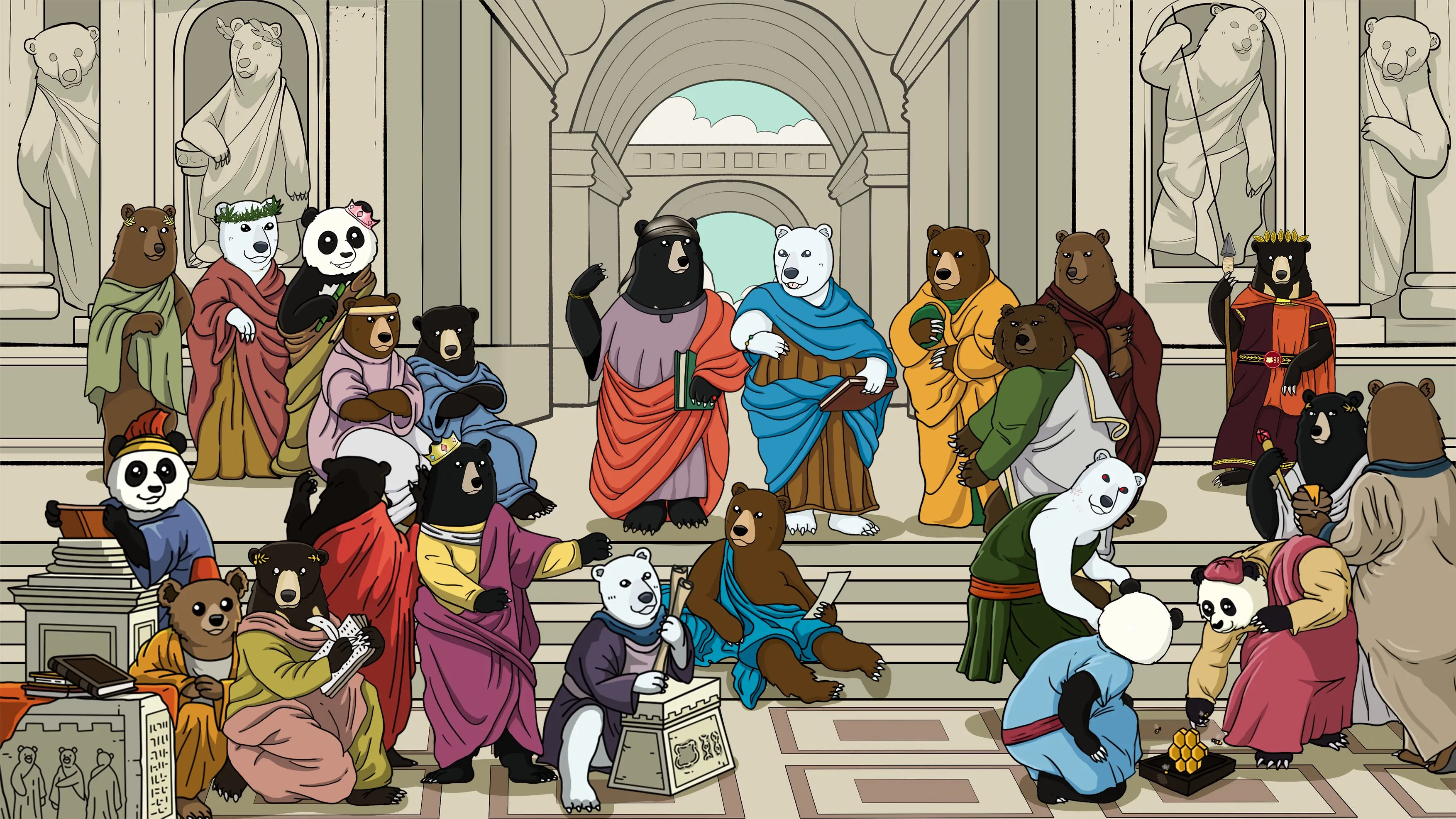
Originating from the Bong Bears collection minted in 2021 on Ethereum, this project quickly emerged as a distinctive name in the NFT space, known to be the first to implement a unique “rebase” feature (when an NFT holder gets new tokens over time). The project specifically prioritized creating advanced functionalities for non-fungible tokens, in particular introducing several NFT collections with various utility, and efficient trading capabilities to create incentives for artists, creators, and collectors alike. Just several months later after the initial collection, the project went further by announcing a proprietary blockchain called Berachain. Its mainnet and native token finally launched in the beginning of 2025, opening a new page in the project’s history.
Berachain Blockchain
The team behind Bong Bears announced Berachain in early 2022 and created the Berachain Foundation to steer its development. Following a successful seed and Series A investment rounds, the team confirmed plans for launching Berachain. After about a year of testing, the mainnet went live in February 2025.
Designed as an “Ethereum-identical” Layer 1 blockchain, Berachain is compatible with smart contracts, dapps, and developer tools in Ethereum to enable effortless migration and integration. The introduction of a special BeaconKit provided modular components for developers to easily build and deploy dapps within the Berachain ecosystem.
Berachain distinguishes itself from other L1s with several architectural changes. Its unique Proof-of-Liquidity (PoL) consensus model incentivizes users to contribute to liquidity pools, simultaneously enhancing liquidity and blockchain security. It also adopted a dual-token model: $BERA for validation and $BGT for rewards (read more on these cryptocurrencies below). In July 2025, the community approved the proposal to release the “PoL V2”, with details and reasons for rolling out an updated consensus mechanism published in the Berachain blog.
Berachain Ecosystem
After the first Bong Bears collection, authors released six more: Bond, Boo, Baby, Band, and Bit Bears, each layering new benefits atop the previous one and dynamically rewarding early adopters. There are also several ecosystem collections such as Honey Combs and Bera Boyz, which extend utility through perks like early airdrop access, revenue-sharing, and yield boosts.
The ecosystem being built around the Berachain network spans across several key sectors, including DeFi (BEX DEX, leveraged vaults like Infrared, and yield farming protocols like Ramen Finance). Another thriving niche of Berachain is Web3 gaming, which is represented by projects such as BeraVerse, and BeraTone (farming RPG).
To stimulate dapp developers, Berachain launched a Build‑a‑Bera incubator in January 2024 for selected early-stage projects in different sectors. The ApiologyDAO serves as a venture studio and liquidity provider within the ecosystem, granting governance voting rights, early rewards, and strategic support to protocols that join Berachain. BeraHub is an official resource offering an all-in-one dashboard to manage $BGT, boost validators, redeem $BGT for $BERA, swap tokens and perform other activities.
$BERA and $BGT Cryptocurrencies
Berachain uses two native assets: $BERA and $BGT (Berachain Governance Token). The former is used in staking and gas. Validators earn $BGT in return, which can be burned 1:1 for $BERA, creating a pathway for governance-active liquidity providers to re-enter the ecosystem. $BGT also enables holders to actively participate in decision-making processes through governance proposals and voting mechanisms. Besides these two crypto assets, Berachain utilizes $HONEY, which serves the role of an ecosystem stablecoin.
Although down almost 80% from its ATH of about $8.8 set at the end of February 2025, $BERA price has consistently moved upwards throughout July 2025, gaining over 60% in a single month. It points to continued investor confidence and robust community support, making Berachain another closely-watched project within the revitalized NFT space.
Doodles ($DOOD)
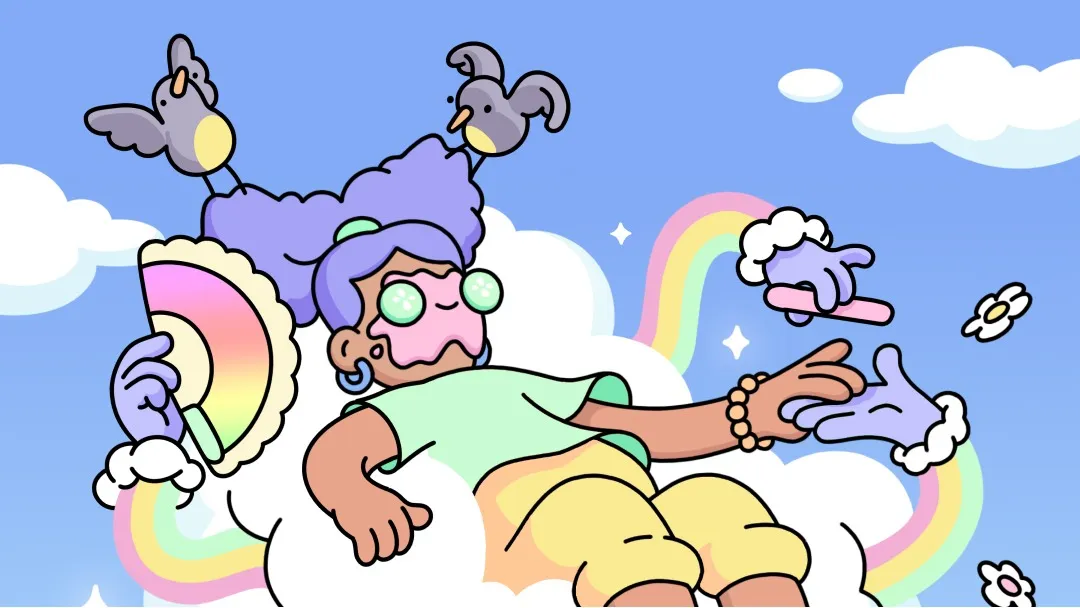
Doodles was born in October 2021 as an Ethereum NFT collection, crafted by artist Scott “Burnt Toast” Martin. In the second collection, the project expanded into Flow and EVM-compatible chains to facilitate avatar customization and dynamic on-chain trait updates. In May 2025, Doodles officially launched the $DOOD token on Solana, later bridging it to Coinbase’s Base L2. This was accompanied by , Head of Strategy and Development at Doodles, Austin Hurwitz, proclaiming an ambition to build the “world’s leading storytelling company.”
Doodles Ecosystem
After the initial success of the original Doodles collection, its creators announced Doodles 2 in June 2022, which featured dynamic NFTs with customizable features (such as traits, wearables, and even animations). In addition, the project onboarded artist Pharrell Williams as Chief Brand Officer, who participated in recording an IP-related music album. The new collection switched from Ethereum to Flow, debuting in January 2023.
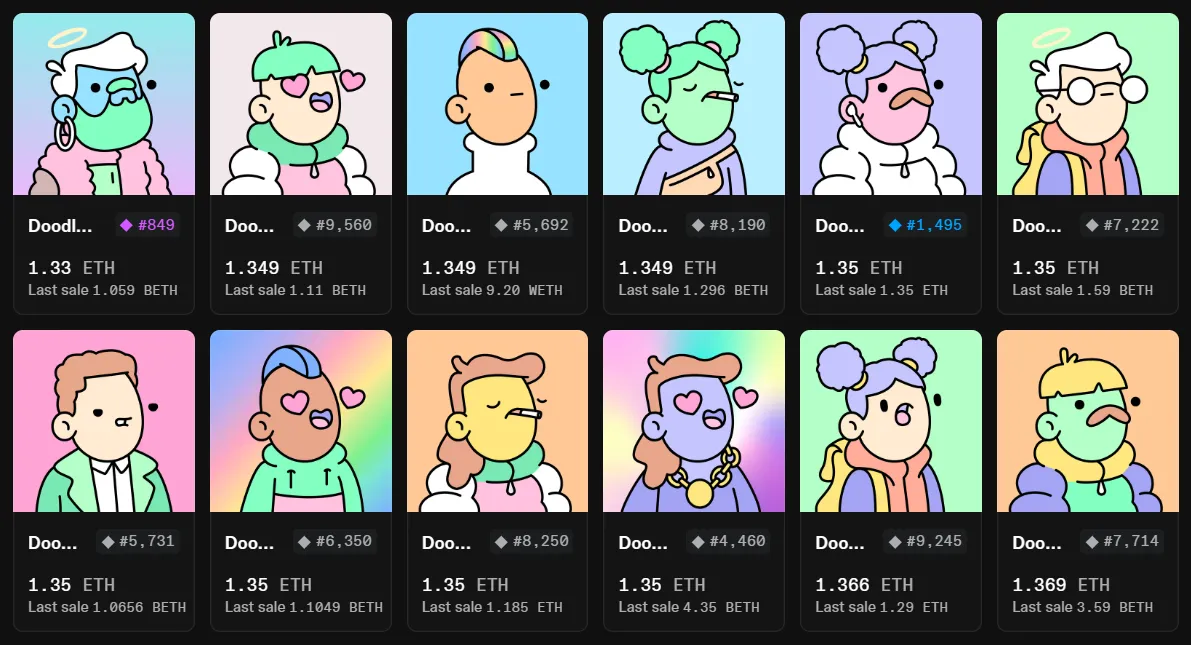
Doodles has tried to partner with large non-crypto brands to promote its IP. Back in 2023, the NFT project, collaborated with Adidas to release a limited pack of footwear and apparel, powered by digital collectibles. Later in November that year, Doodles also announced a holiday-season initiative together with McDonald’s to bring NFT collectibles to the items sold by the fast-food chain. However, this phase was relatively short-lived, as Doodles’ CEO was eventually let go byDoodles’ founder Scott Martin, who took over his role and announced the end of the “extractive corpo era of Doodles.”
A new stage in the project's history was unveiled in May 2025. Alongside launching the token, Doodles introduced DreamNet, an AI-powered storytelling and gaming protocol running on Solana. Although not a full-fledged blockchain like some of the other projects in this space, DreamNet enabled additional utility for $DOOD holders, allowing them to co-create and trade narrative elements. One more project that appeared in the Doodles ecosystem was a mini-game called Lord of the Files.
Digital Content
Doodles has also ventured into content production, publishing a series of animated music videos on its YouTube channel, as well as a short animated film. The first clip starred Pharrell Williams and Coi Leray, and wasset within the same “Doodleverse” art style, showcasing the character Deysi (voiced by Coi Leray) dancing through a colorful, fantasy environment, and serves as the first single from the soundtrack of the Dullsville animated project.
Later, the company published an 18-minute animated special called Dullsville and the Doodleverse, premiered at the Toronto International Film Festival and later released on the Doodles website. Directed by Scott Martin and blending different drawing techniques. The story contrasts the gray town of Dullsville with the vibrant, imaginative Doodleverse, emphasizing Doodles’ expansion into immersive storytelling.
$DOOD Cryptocurrency
Doodles launched its native token $DOOD in May 2025, this time on Solana, marking a notable transition to another chain by a top NFT project. From a distribution perspective, Doodles allocated over 50% of DOOD’s supply to the community to jumpstart network effects. Specifically, 30% was airdropped to existing NFT holders, while 13% was designated for “New Blood,” i.e., incentives to onboard new users. This 43% community allocation mirrors the token launch strategies of other leading NFT projects like Pudgy Penguins and Azuki.
Doodles’ presence across multiple blockchains, collaborations with mainstream brands and artists, content production and the AI-powered protocol position it as one of the most top NFT brand expansions of 2025, while the $DOOD token’s community-first distribution and growing ecosystem utility give it strong potential for long-term relevance and growth.
Comparative Overview of Leading 2025 NFT Projects
Project | Chain | Type | Native Token(s) | Core Focus | Summary |
Pudgy Penguins | Abstract Chain | L2 (ZK rollup) | $PENGU | Consumer dapps, mass adoption. | Physical-digital bridge, user-friendly L2 ecosystem, rewards for token holders. |
Azuki | AnimeChain | L3 (Arbitrum Orbit) | $ANIME | Anime content and fandom. | Niche L3 for anime-based digital economy, Anime.com platform with Web3 features for a broader audience. |
Bored Ape Yacht Club | ApeChain | L3 (Arbitrum Orbit) | $APE | Gaming, Metaverse (Otherside). | Backing from celebrities, acclaimed IPs, diverse ecosystem. |
Memeland | Memenet | N/A | $MEME | Gaming, social, memecoins, financial tools. | 9Gag community, crypto-fiat payments card and app, culture-driven meme strategy. |
Berachain | Berachain | L1 (EVM-identical) | $BERA, $BGT, $HONEY | Dapp development, memecoins with utility, DeFi, GameFi. | Thriving ecosystem, unique blockchain design, advanced NFT tech. |
Doodles | Solana, Flow | N/A | $DOOD | Interactive media, user-generated content. | High capability for digital art, AI-driven storytelling with the DreamNet protocol. |
Closing Thoughts
The strategic shift by the most promising NFT projects towards developing their own blockchain infrastructure and issuing crypto assets in 2025 represents a maturation from the initial conception of digital collectibles. NFT brands and IPs expand into other areas of the art scene to be foundational layers for new digital economies, interactive entertainment platforms, and vibrant online communities. The understanding of digital ownership evolves: value is now derived not just from the asset itself but also from active participation in the ecosystems where they reside.
The further success of the new NFT-led infrastructure will revolve around the ability to deliver sustainable utility, implement robust and transparent governance mechanisms, and consistently attract and retain both end-users and third-party developers.
DWF Ventures is committed to supporting innovation within the NFT space and backing builders who are pushing the boundaries of what is possible. If you are a builder interested in partnering with our crypto venture capital firm, don’t hesitate to reach out.
Disclaimer: This article is intended for general informational purposes only and does not constitute financial advice. Readers should conduct their own research and consult with a professional advisor before making any investment decisions.